


Migraine surgery in Lausanne
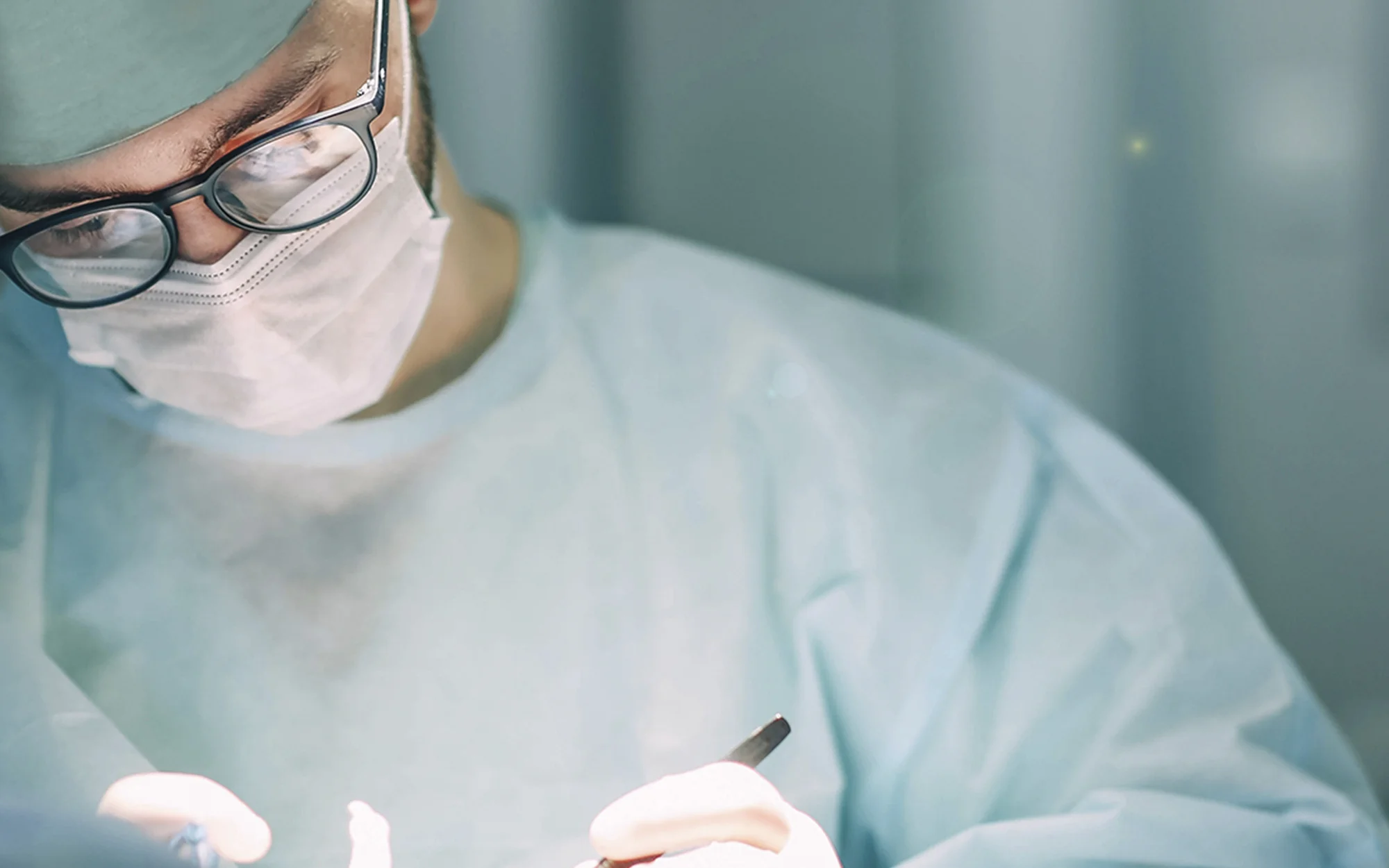
History tells us that migraines have always accompanied the life of homo sapiens. Art is full of testimonies in the form of descriptions, paintings, legends and plays that aptly describe migraine and the tragic impact of this illness on patients’ lives. Full is also the story of famous people who have suffered from migraines from Alexander Pope, Heinrich Heine, Edgar Allan Poe, Guy de Maupassant, Leo Tolstoï, Frederic Chopin, and Peter Ilich Tchaïkovski, Virginia Woolf, John Calvin, Madame Pompadour, John Churchill, Karl Marx, Alfred Nobel, Mary Todd Lincoln, Ulysses S. Grant, Thomas Jefferson, Friedrich Wilfrid Laurier, and many others. Grant, Thomas Jefferson, Friedrich Wilhelm Nietzsche, Sigmund Freud, and Charles Darwin, to name but a few.
It’s interesting to note that migraines have had a profound impact on human history, but they haven’t prevented sufferers from leading sometimes extraordinary lives.
The migraine patient’s profile that emerges from history is that of people with a well-developed intelligence, innovative and visionary, meticulous and precise. It’s the same profile as our patients.
As it’s a disease that’s been around for a long time, the history of migraine treatment also has very deep roots.
The history of surgical treatments for migraine corresponds to the history of the hunt for pain experienced during attacks of chronic migraine, chronic headache, Arnold’s neuralgia or vascular algia. The first description of a surgical technique is by Al-Zahrawi around the year 1000: treatment by dividing an artery at the temples to relieve certain migraines is still very much in vogue today. In the fifteenth century, the famous French surgeon Ambroise Paré developed an instrument known as the “bec de corbin” to treat an artery in the temples. Legend has it that Mr. Paré operated on himself using a mirror to treat his own migraines. These early approaches paved the way for the techniques still used to treat temporal migraines.
The first description of surgical treatment for Arnold’s neuralgia dates back to 1964: Martin and Fagan described a rather invasive technique of occipital nerve denervation (neurotomy) on 4 patients. Results were satisfactory. Since then, techniques have evolved and results have gone from satisfactory to excellent.
In 2000, Dr. Guyuron in Cleveland, USA, described a nerve decompression technique for the forehead (supraorbital and supra-trochlear nerves). The results were excellent, and patients – initially operated on for cosmetic surgery – enjoyed a new migraine-free life thanks to the man rightly regarded as the pioneer of migraine surgery.
Since then, several studies have been published demonstrating the effectiveness of these techniques, mainly thanks to the technical mastery of peripheral nerve microsurgery and the anatomical knowledge of a group of plastic surgeons around the world, including Drs. Pietramaggiori and Scherer.
Drs. Pietramaggiori and Scherer are particularly renowned for the development of minimally invasive techniques to relieve chronic migraines, chronic headaches, Arnold’s neuralgia or vascular pain. These highly precise techniques, performed using microscopic instruments, respect the integrity of the nerves (no nerves are cut or damaged by surgery) and are based on the principle of decompressing them so that they function correctly and do not transmit pain during attacks.
To find out more
Surgical treatment of migraines
Your headaches or cephaleas may be called by many different names: migraines, chronic headaches, vascular angina or AVF, Arnold’s neuralgia, trigeminal neuralgia, occipital neuralgia etc…
At Global Medical Institute, we take a unique approach to headaches. Instead of looking for all the differences between headaches, in order to give them a specific name, we focus on the element that unites them: pain. Pain is the main symptom during a migraine attack. If your pain is linked to compression of a nerve or blood vessel around the head, our specialized Global Medical Institute team can probably help.
After answering questionnaires developed over the last few years by our specialized team, specific diagnostic and therapeutic infiltration tests will be carried out. If your response to these infiltration tests is positive (significant remission of pain over a period of time) you will be considered eligible for decompression surgery – following the algorithm below.

A tailor-made approach to migraine treatment
Every patient at Global Medical Institute is unique, and our surgical procedures are minimally invasive. The nerves responsible for your pain are identified, and decompressed under a microscope. No damage is done to the nerves; on the contrary, the nerves are put in the best possible condition to function properly. Other approaches, also valid in certain cases, such as radiofrequency, cryocoagulation or alcoholization (or phenolization) have a harmful (sometimes irreversible) effect on the nerves.
Prices
Prices CHF | |
|---|---|
Frontal decompression surgery | CHF 8,000 to 10,000 |
Temporal decompression surgery | CHF 3,000 to 6,000 |
Occipital decompression surgery | CHF 8,000 to 12,000 |
Media coverage